Don't Design a Hotel Until You Know Why It Deserves to Exist
Issue 05 | September 2026
A periodic publication by 3AM Hospitality Consultants.
Thoughts from HPC 2026 on why great hotels begin with better questions.
A recent panel discussion at the Hospitality Philippines Conference (HPC) 2026 got me thinking about a question I have been asking for much of my career as a hospitality consultant. As I listened to architects, designers, branding specialists and operators share their perspectives, I was reminded of something I have come to believe after more than thirty years in hospitality.
Why does this hotel deserve to exist?
Many of the biggest successes—and many of the biggest mistakes—are set in motion long before the first guest arrives.
In my experience, they happen before the first sketch is drawn, before a budget is approved and before construction begins. They happen when the team decides what kind of hotel it wants to create and, more importantly, why it deserves to exist.
The Questions Every Hotel Consultant Should Ask First
Before anyone starts drawing, I ask two questions.
Why would I stay here?
And if an international branded hotel opened next door tomorrow, would guests still choose us?
If we cannot answer those two questions, we have not defined why the hotel deserves to exist.
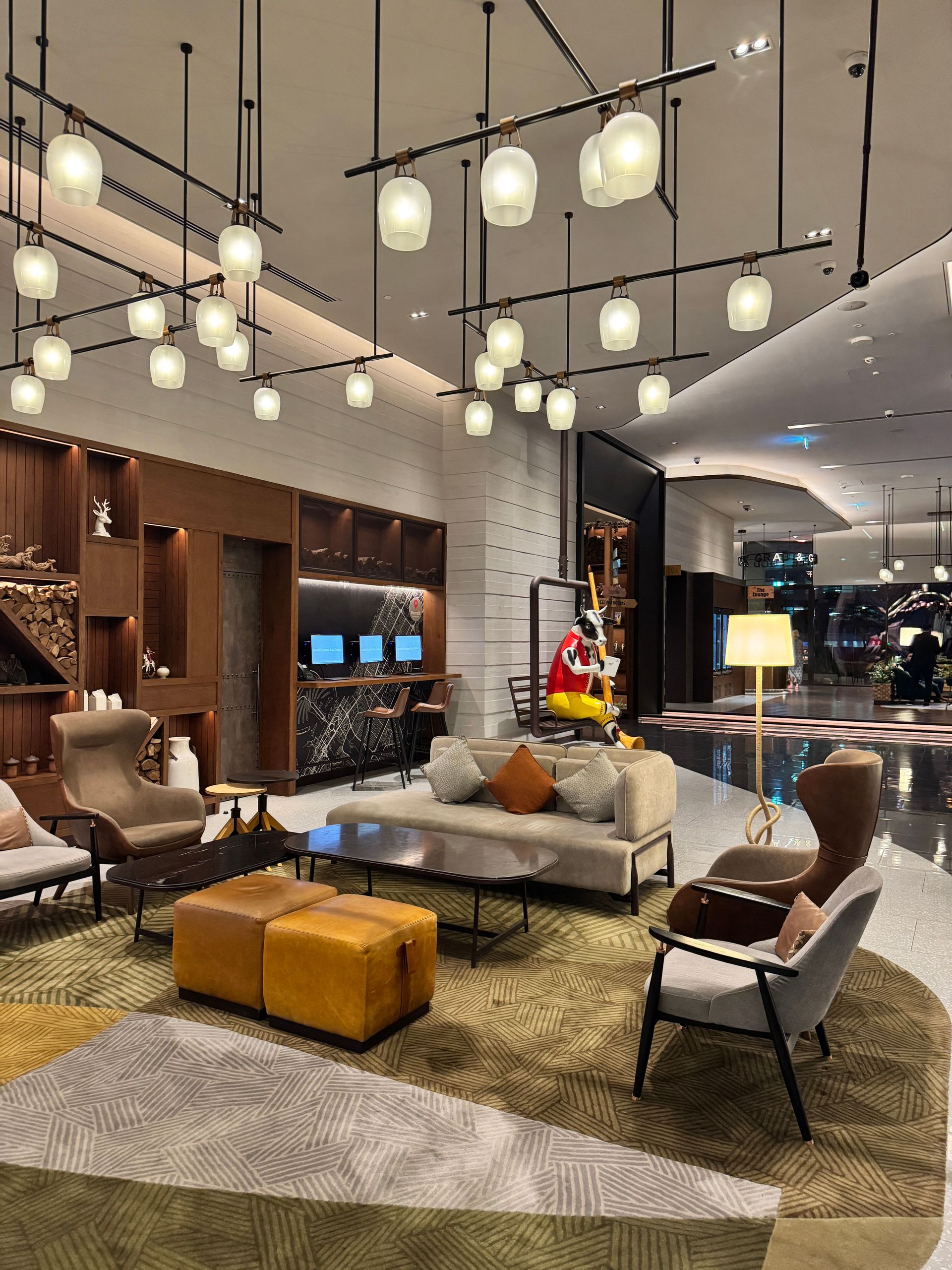
Image from Capella Bangkok (www.capellahotels.com)
Why a Feasibility Study Is More Than Numbers
Over the years, I have come to see a feasibility study as much more than numbers on a spreadsheet. It is where the
owner's vision meets market reality, and where the project's original intent begins to take shape. Get that right, and the conversations about architecture, interiors, brand and operations become much easier because everyone is working towards the same guest experience — which is exactly why owners bring in an independent hotel advisory partner before the design stage, not after it.
The Spiral Story: From Best Buffet to Remarkable Dining Experience
One of the biggest lessons of my career came when we created Spiral.
The original brief was to build the best buffet restaurant in Metro Manila. It was an ambitious objective, but at some point we realised we were asking the wrong question. We stopped asking, "How do we build
the best buffet?" and started asking, "How do we create a dining experience people would travel for?"
That question took me to Sydney, Seoul and Hong Kong—not to copy restaurants, but to understand what
made them remarkable. We combined those lessons into something novel for Manila.
Nearly twenty years later, when Spiral closed, people were still talking about it. That was when I realised we had created something remarkable.
Remarkable means worth talking about.That's what we built.
What 1,400 Guests Arriving at Once Taught Us About Hotel Design
Another project reinforced a very different lesson.
I was reviewing the plans for a 1,400-room hotel. The design looked impressive, but there was no dedicated luggage storage and only four generic check-in counters.
Instead of debating the design, we asked a simple question.
What happens when hundreds of guests arrive at the same time?
We calculated the arrival volumes, average check-in times and queue lengths.
The numbers told us exactly what the guest experience was going to be.
Beautiful architecture means very little if a guest's first experience is standing in a queue.
Construction had already begun, but the owner immediately instructed a major redesign of the arrival experience.
That encounter reminded me that guests do not experience architecture, interiors, engineering and operations separately. They experience one hotel. Great hotels are created when every discipline works towards the same guest experience.
Every Dollar Has a Job
The same thinking applies when owners ask about budgets.
I often tell owners that every dollar has a job.
The objective is not to spend less. It is to spend intentionally.
Early in my career, I proposed a US$60,000 budget for what became Spiral. The owners challenged me because they were not looking for another buffet. They wanted to create a destination dining experience.
The investment eventually grew to around US$2 million.
The real lesson was not the budget. It was the question.
We stopped asking, "What does this cost?" and started asking, "What value will this create over the next twenty years?"
I would never value-engineer the reason guests choose your hotel. Those are not costs. They are
investments.

Why Hotels Become Ordinary — and How to Prevent It
Looking back over the discussion at HPC 2026, I realised that these stories point to the same conclusion.
Projects rarely become ordinary because of one bad decision. More often, they become ordinary through a hundred small compromises. Each one seems reasonable on its own, but together they dilute the original intent.
Whenever that happens, I come back to one simple question. Why would I stay here?
If I cannot answer that with confidence, we are probably making the wrong decisions.
Because in the end, hospitality has never been about designing buildings.
Hospitality is the intentional design of the human experience.
Frequently Asked Questions
What does a hospitality consultant actually do before a hotel is designed?
An independent hospitality consultant helps owners define the guest experience, market position and feasibility of a project before architecture or interiors are decided — so every later design and budget decision serves the same intent.
Why does a hotel need a feasibility study before construction begins?
A feasibility study tests whether the owner's vision matches market reality. Done properly, it shapes the guest experience the hotel is built around, not just the numbers on a spreadsheet.
What's the difference between an independent hotel consultant and a brand-affiliated one?
An independent hotel consultant advises strictly on the owner's behalf, without ties to a hotel brand or management company, which keeps recommendations focused on the asset's long-term value rather than a brand's operating model.
About the Author
Paolo Campillo is the Managing Partner of 3AM Hospitality Consulting, an independent hotel consultant and hospitality advisory firm based in the Philippines. With more than 30 years of international hospitality experience, he has led luxury hotel openings, repositioning projects and operational
transformations across Asia. His work focuses on helping owners create hotels that deliver memorable guest experiences, stronger commercial performance and long-term asset value.
Is Your Hotel Underperforming?
Before committing further capital—or replacing another senior executive—an independent diagnostic can establish whether the hotel primarily needs renovation, repositioning or an operational reset.
For an independent owner-side perspective, contact 3AM Hospitality Consulting.
Disclaimer
The views expressed in this article are my own and are based on personal experience in hospitality development and operations. Examples have been simplified for clarity, and some project details have been generalised or omitted to respect client confidentiality. This article is intended to encourage discussion and should not be construed as project-specific professional advice.